 Uganda
 Ghana
Ghana Liberia
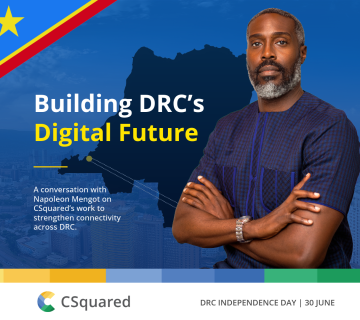
 DRC
DRC Togo
Togo
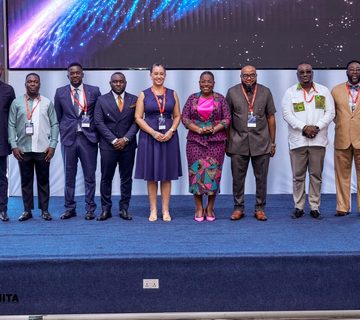
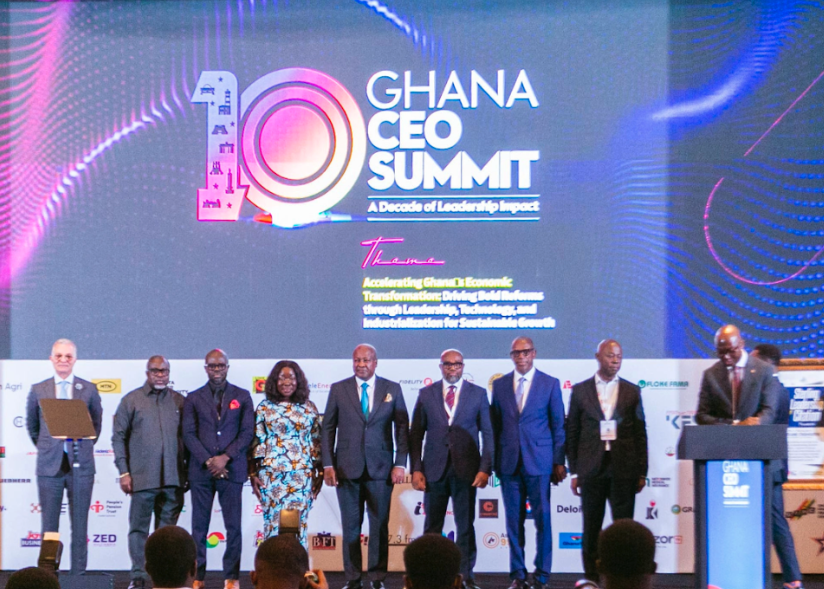
Following the 10th Ghana CEO Summit, the conversations from the event continue to feel highly relevant.
The summit brought together CEOs, policymakers, investors and industry leaders to discuss Ghana’s next stage of economic transformation. Looking back, one message stands out clearly: Ghana is moving from ambition to execution.
The focus was not only on what the country wants to become, but on what needs to be built, aligned and delivered to make that future possible.
For CSquared, that conversation sits at the heart of our mission. Digital transformation does not begin with an app, a platform or a device. It begins with infrastructure: the fibre networks, resilient routes and open-access connectivity that allow businesses, governments, institutions and communities to participate fully in the digital economy.
With that in mind, here are my eight key takeaways from the summit, and what they mean for Ghana’s digital future.
1. Partnership must become delivery
A major theme from the summit was the need for stronger collaboration between government and the private sector.
The launch of the CEO-Government Compact reflected this shift, moving the conversation from dialogue towards structured partnership, accountability and measurable impact.
For Ghana, this matters because economic transformation cannot be delivered by one sector alone. Government sets the policy environment. Businesses invest, innovate and scale. Infrastructure providers help build the systems that allow that growth to happen.
CSquared’s work in Ghana is built on this partnership-led model, including our long-term partnership with GRIDCo, Ghana’s national grid operator. We are not only connected to the grid. We are embedded in the infrastructure ecosystem that supports Ghana’s digital economy.
2. Execution matters more than ambition
Ghana’s digital and economic ambitions are clear. The next challenge is delivery.
For CSquared, execution is measured in infrastructure on the ground. Across Ghana, CSquared has laid nearly 2,000 kilometres of fibre, connects more than 3,000 customer sites and supports a significant share of the country’s fibre-ready tower infrastructure.
The Accra-to-Lagos corridor is now live, creating a critical digital route between two of West Africa’s most important economic centres. It forms part of a wider ambition to build the digital superhighway connecting ECOWAS markets, with Ghana playing a central role.
Execution is where infrastructure makes the difference.
3. Stability must support production and jobs
The summit also made clear that economic stability must lead to productive growth.
Stability is important, but it must support production. Production must create jobs. Jobs must raise incomes. And rising incomes must create confidence and opportunity.
Connectivity plays a practical role in that chain. Reliable digital infrastructure helps businesses operate more efficiently, access customers, manage supply chains, use cloud platforms and compete beyond their immediate location.
For Ghana’s digital economy to create jobs at scale, the infrastructure beneath it must be strong enough to support that growth.
4. Industrialisation needs digital infrastructure
Industrialisation was another important theme at the summit.
Ghana’s growth agenda is not only about services or technology in isolation. It is also about local production, value addition, manufacturing, logistics, trade and stronger domestic capacity.
Modern industry runs on connectivity. Manufacturers, logistics companies, ports, warehouses, financial institutions, retailers and public agencies all depend on reliable digital networks.
CSquared’s open-access broadband infrastructure supports this wider ecosystem by enabling operators, enterprises and institutions to connect more efficiently.
5. Resilience is now an economic priority
In March 2024, multiple submarine cables serving West Africa failed, causing widespread disruption across the region. The incident showed how dependent modern economies have become on digital connectivity, and how important route diversity is to resilience.
Ghana benefits from multiple international submarine cable landings, but resilience cannot depend on subsea infrastructure alone. Terrestrial routes are essential.
CSquared built the first terrestrial fibre route from Lagos to Accra, creating a high-performance land-based alternative between two major West African markets. This strengthens regional resilience by reducing dependence on single points of failure.
Resilience is not only a technical priority. It is an economic priority.
6. AI and cloud need infrastructure beneath them
Technology, AI and digital innovation were central to the summit’s wider transformation agenda.
Ghana is attracting growing attention from technology companies, data centre operators and digital investors. Accra is increasingly positioned as a strategic hub for cloud, AI and digital services in West Africa.
But AI and cloud infrastructure do not scale on ambition alone. They require power, policy, data centres, talent and resilient high-capacity networks.
By investing in open-access fibre networks and regional connectivity routes, CSquared supports the infrastructure layer that Ghana’s digital innovation ecosystem depends on.
7. Digital government depends on connectivity
The summit also highlighted the importance of stronger public systems and more effective digital government.
Digital public services, tax systems, compliance platforms, identity services, education, health and citizen services all depend on reliable connectivity.
CSquared’s infrastructure supports both private-sector growth and public-sector transformation by helping digital platforms reach more users, operate more reliably and support more inclusive service delivery.
Digital government is not only about software. It is about the infrastructure that allows public systems to work.
8. Africa’s business champions need long-term infrastructure
Ghana’s economic future will depend on companies that can compete, scale and endure. That requires leadership, investment, governance and talent. It also requires infrastructure that allows businesses to operate at the level the modern economy demands.
CSquared’s open-access model is designed to support that ambition. Shared fibre networks create a more efficient foundation for operators, enterprises, service providers and institutions to grow.
The next generation of African business champions will be digital in some way. Every one of those capabilities depends on connectivity.
Ghana has the ingredients. Infrastructure connects them.
Following on from the Ghana CEO Summit, the message is clear: Ghana has many of the ingredients required to lead the next phase of digital growth in West Africa.
The country has policy ambition, enterprise leadership, energy capacity, technology investment, data centre momentum, digital talent and a strategic regional position.
The opportunity now is to connect those ingredients.
At CSquared, we are proud to support that future as Africa’s truly neutral wholesale connectivity partner.