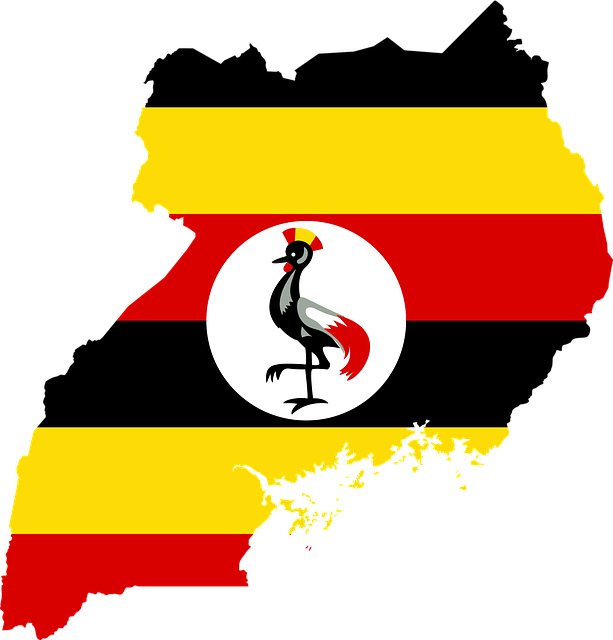
 Uganda
 Ghana
Ghana Liberia
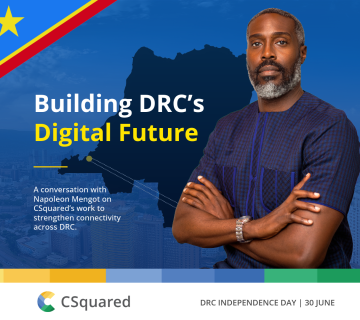
 DRC
DRC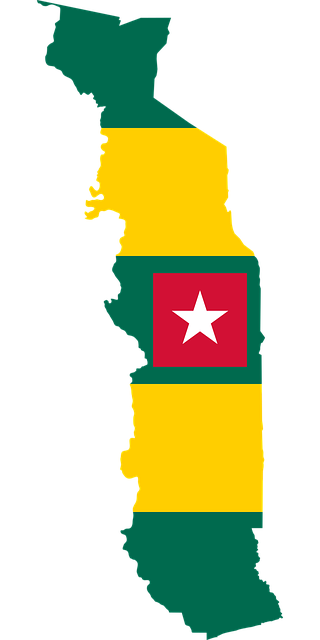 Togo
Togo
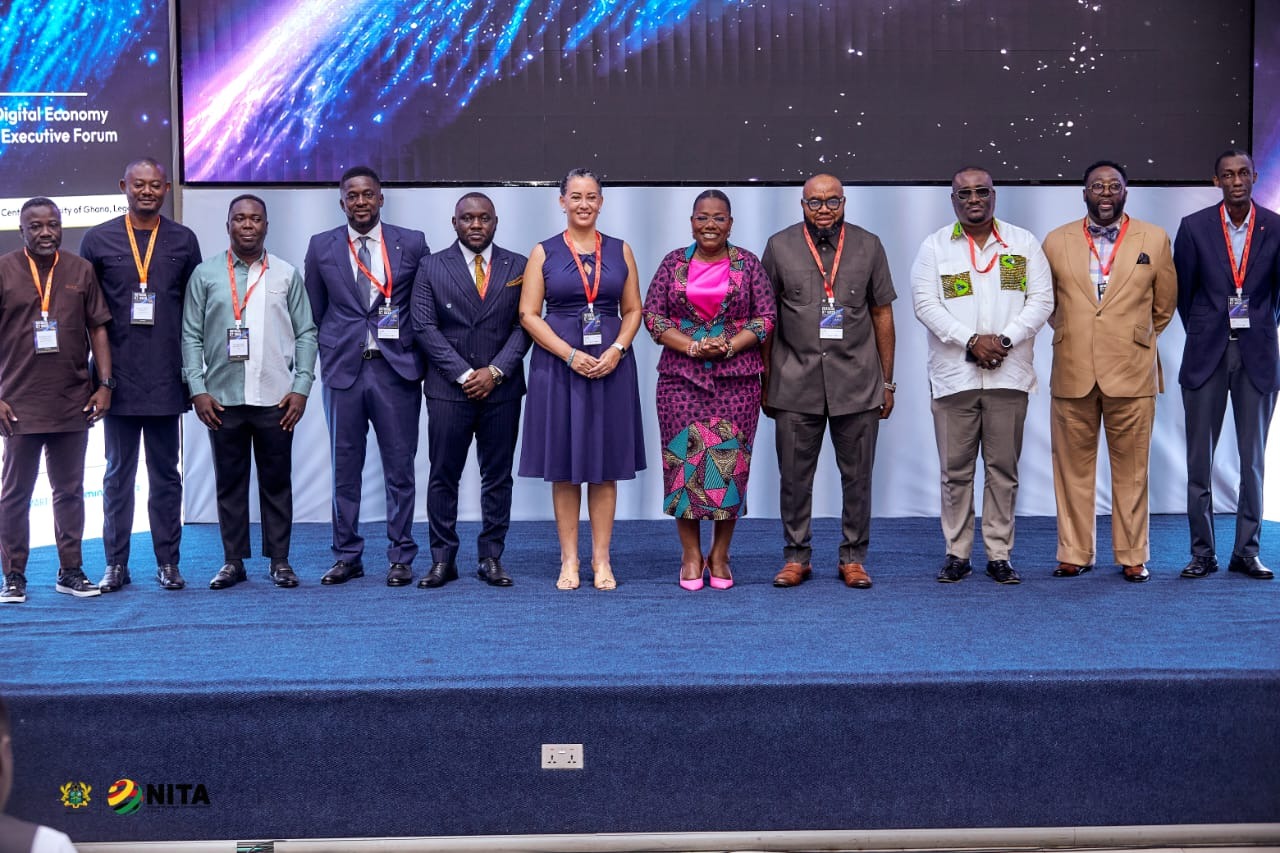
National ICT Week brought together government, industry, innovators, investors and infrastructure partners for an important conversation about Ghana’s digital future.
For CSquared, the week reinforced one clear message: Ghana’s digital economy is growing quickly, but the next stage of progress will depend on the strength, resilience and inclusiveness of the infrastructure beneath it.
Across the week, conversations moved from AI and innovation to connectivity, power, resilience, digital sovereignty and the need to build local capability. The opportunity for Ghana is significant. The challenge now is to ensure that the infrastructure, skills and systems are in place to turn that opportunity into long-term national value.
Opening the conversation on innovation at scale
The week opened with a challenge: how can Ghana take ideas beyond individual projects and scale them into national solutions that solve problems, create wealth and deliver real value?
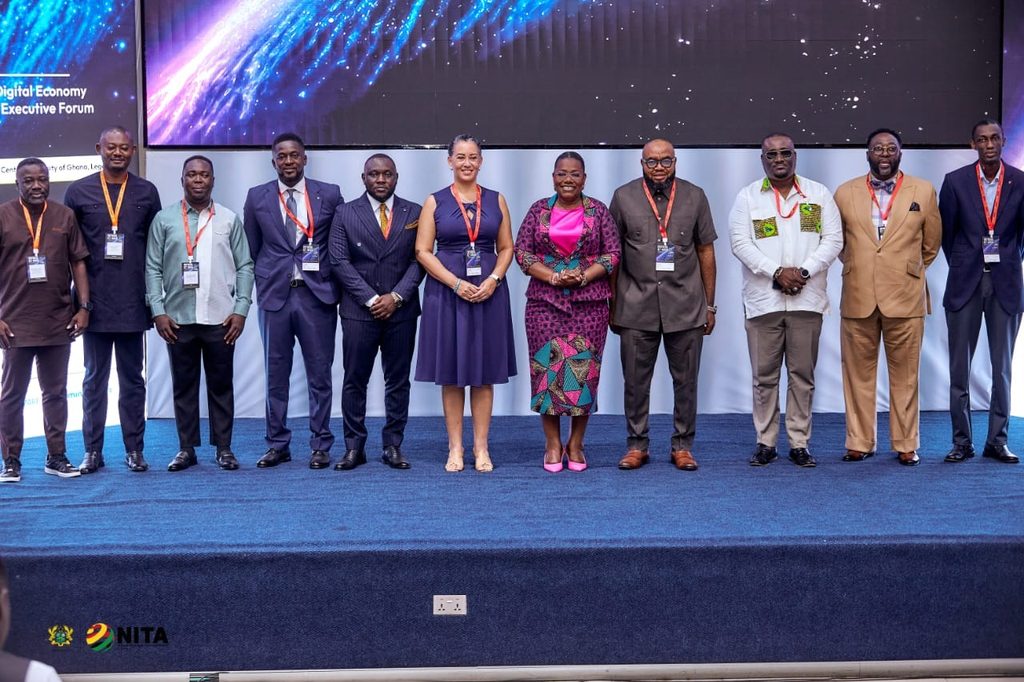
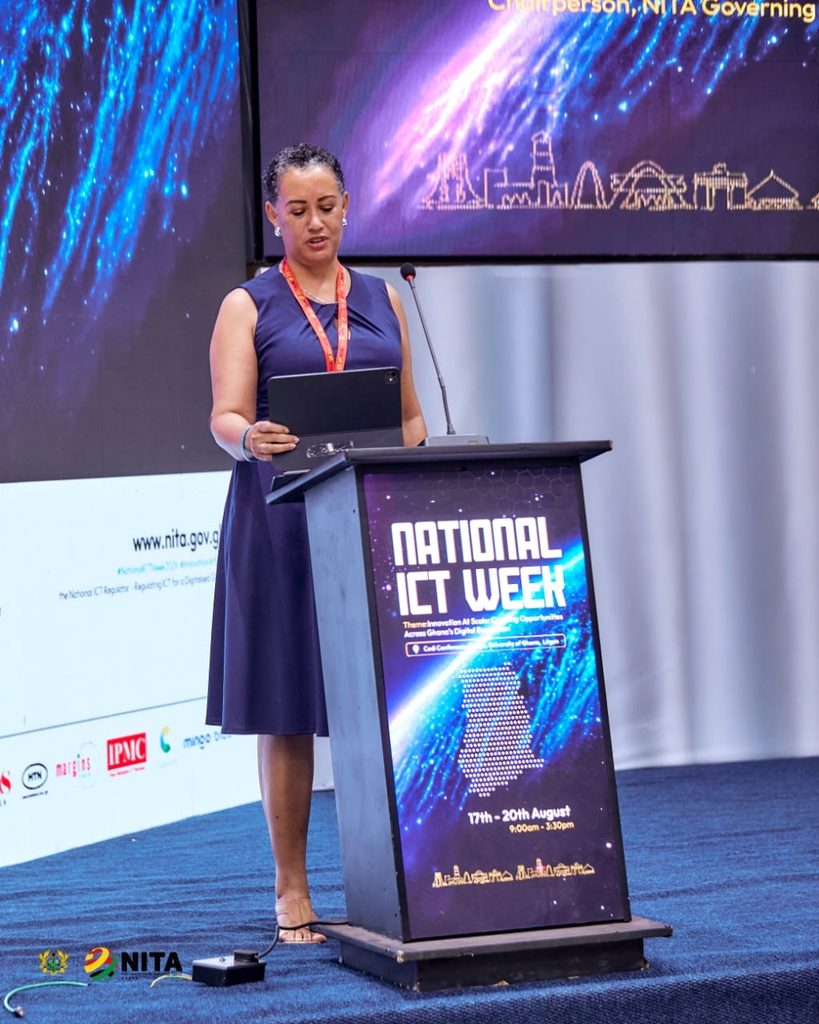
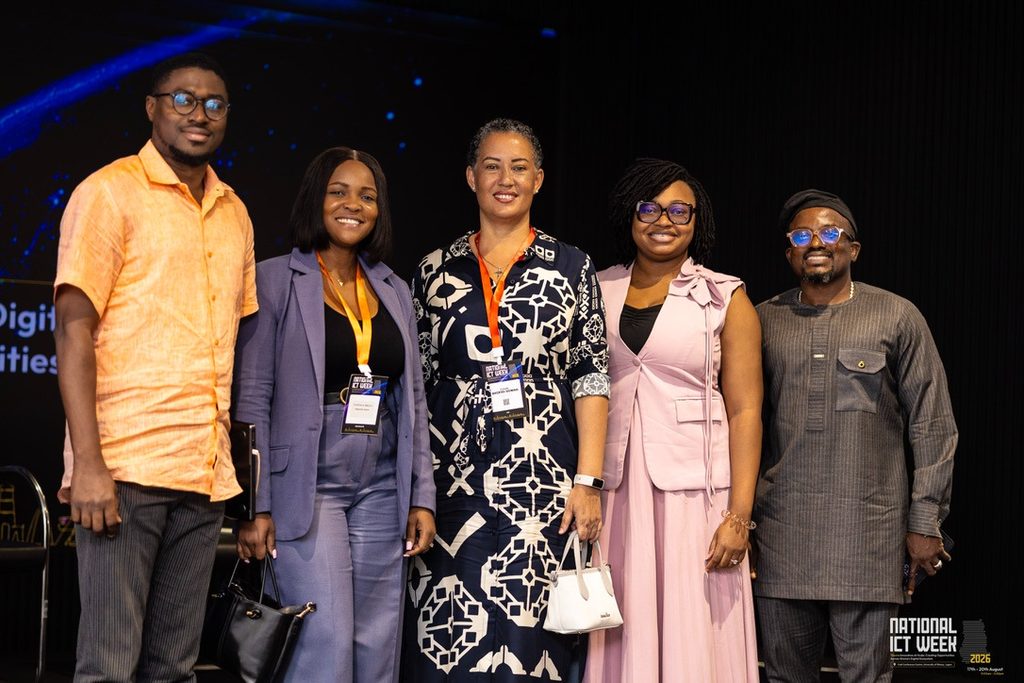
In her remarks, Estelle Akofio-Sowah, West Africa Regional Director at CSquared, reflected on the importance of building a digital ecosystem that is inclusive, secure, sustainable and capable of supporting innovation at scale.
That kind of progress requires collaboration. Government, academia, innovators, investors, infrastructure providers and the private sector all have a role to play. Ghana’s digital future will not be built by one organisation or one sector alone.
For CSquared, this is where infrastructure becomes essential. Innovation can only scale when the foundations are strong enough to support it.
The infrastructure behind Ghana’s digital growth
Throughout National ICT Week, several infrastructure priorities stood out.
Ghana needs more data centre and edge computing capacity to support growing demand for cloud services, locally hosted platforms, AI and data-intensive applications.
Power also needs to be treated as a core part of digital infrastructure planning. Data centres, fibre networks, towers and digital platforms all depend on reliable and sustainable energy. A major power outage during the week was a clear reminder that resilience must be built across the full service delivery chain.
Connectivity remains foundational. From local last-mile access to resilient international routes, Ghana needs fibre infrastructure that is reliable, affordable and widely available. Fibre will remain critical over the next 5 to 15 years because it carries the capacity that mobile networks, enterprises, cloud platforms and public services depend on.
Access also matters. Infrastructure only creates value when people and businesses can use it meaningfully. Affordability, digital skills and inclusive service design must remain central to Ghana’s digital growth.
From digital presence to real capability
One of the strongest ideas from the week was the difference between becoming digital and becoming competitive.
More citizens are online. More institutions are connected. More services are moving onto digital platforms. These are important gains.
But digital presence alone is not enough.
A hospital that is online, but cannot rely on its connection in an emergency, has not become truly competitive. A business that adopts cloud tools, but cannot depend on its network, cannot scale with confidence. A public service that digitises access, but lacks resilience, creates exposure rather than progress.
For Ghana’s digital transformation to create real value, access must be supported by reliability, security, resilience and performance.
That is the infrastructure challenge.
Resilience is now a national priority
National ICT Week also highlighted the cost of infrastructure fragility.
Ghana has experienced thousands of fibre cuts, creating significant financial and operational impact. Every disruption affects businesses, public services, mobile users, financial transactions and trust in digital platforms.
Resilience is not a technical extra. It is the foundation of digital confidence.
At CSquared, this is central to how we think about infrastructure. We are not just laying cable. We are helping build the digital superhighway that Ghana’s future will run on.
As demand grows for mobile money, cloud services, AI applications and digital public services, Ghana’s networks must be able to support that growth reliably, securely and at scale.
A proud moment for Team CSquared
National ICT Week was also a proud moment for CSquared.
At the Excellence Awards & Dinner, CSquared was honoured as Neutral Wholesale Connectivity Provider 2026.
This recognition reflects the work of our teams, partners and customers who continue to support the growth of Ghana’s connectivity ecosystem. It also reinforces the importance of neutral, open-access infrastructure in helping Ghana build a more competitive digital economy.
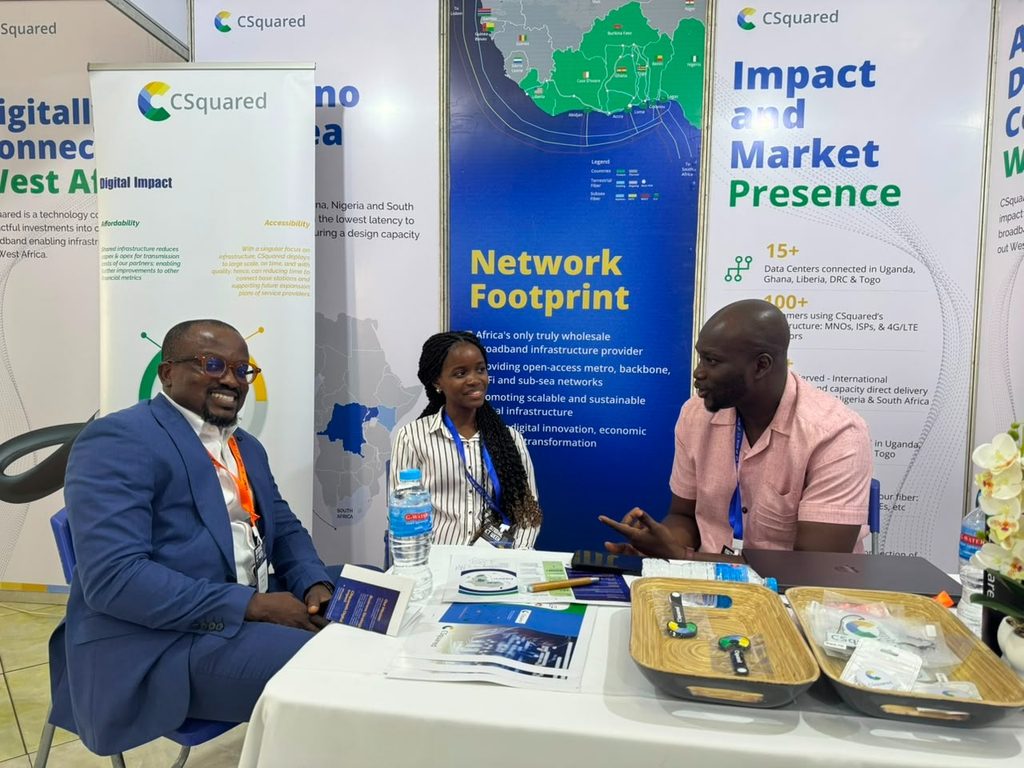
Our carrier-neutral wholesale model is designed to enable mobile network operators, internet service providers, enterprises and digital service providers to build on top of shared, high-quality fibre infrastructure.
By reducing duplication and supporting competition, open-access infrastructure helps the wider ecosystem grow.
What comes next
The opportunity ahead is significant.
Ghana has strong digital ambition, growing demand, active innovators, enterprise momentum and a clear need for infrastructure that can support national progress.
The next phase is about delivery.
That means investing in fibre, power, data centres, edge capacity, resilience, skills and access. It means building infrastructure that is inclusive, secure, sustainable and dependable. It also means ensuring that Ghana does not only consume digital innovation, but creates and scales it.
At CSquared, we remain committed to supporting that future through open-access fibre infrastructure that helps connect people, businesses, institutions and opportunities.
Ghana is becoming more digital. The work now is to make sure it becomes more capable, more resilient and more competitive.
That future will be built on infrastructure.
CSquared. Africa’s truly neutral wholesale connectivity partner.